
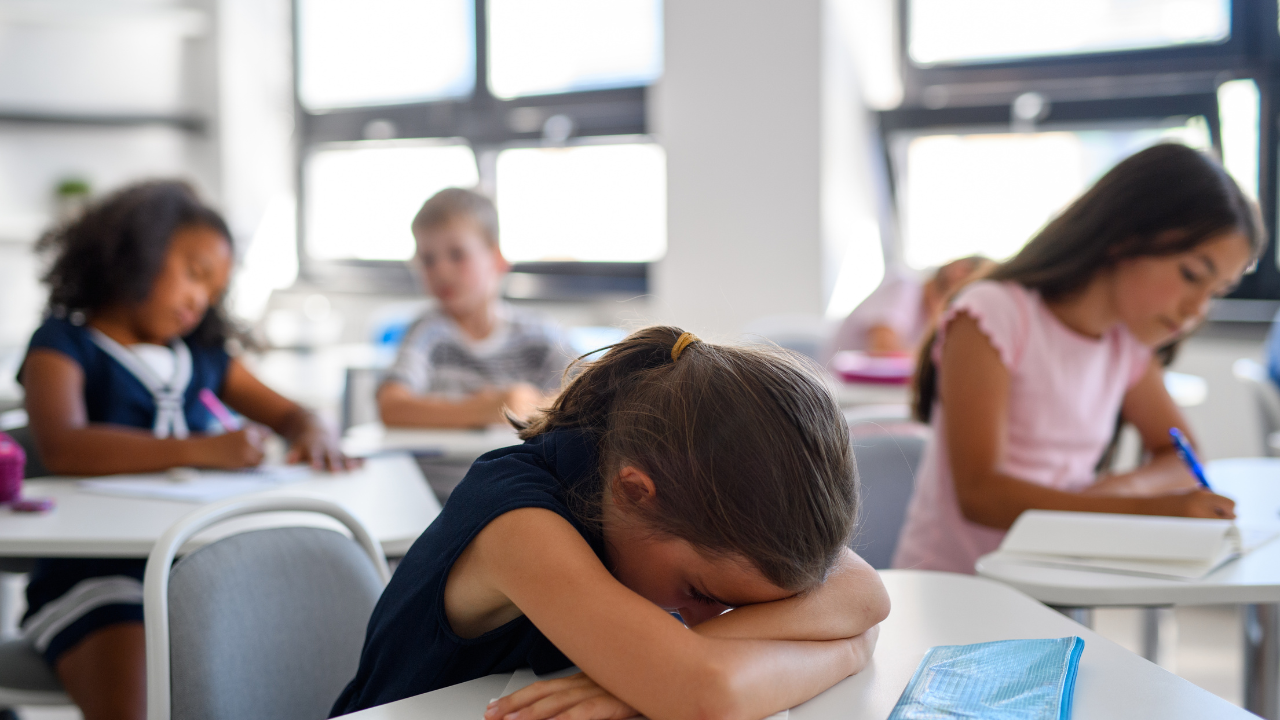
The Rise of Anxiety in Students
Our nation is facing a mental health crisis. One in four children are currently living with anxiety and/or depression, and the numbers continue to grow. As educators, we are on the front lines of this reality every single day.
Understanding the Root Cause
For so many people, anxiety begins with a slow detachment from the emotional self. From a young age, children learn which emotions are acceptable and which are not based on the feedback they receive for expressing themselves. A frown or a consequence for showing anger. A smile and praise for expressing joy. Over time, children learn to suppress certain emotions and amplify others, disconnecting from their full emotional experience in the process.
We are all emotional beings, and that is what makes us human. Yet over time, our culture has adopted ways of living that promote emotional detachment, self-criticism, judgment, and perfectionism. The mental health crisis we are witnessing today is a direct result of this disconnection.
The good news is that awareness is growing. We are learning the importance of emotional acceptance, and we are making meaningful changes in how we support ourselves and our students. The result is a deeper connection to ourselves and to one another, and that connection is at the heart of resilience.
This week's classroom practice:
Begin with yourself. Take time throughout your day to pause and ask, "How do I feel right now?" Let your emotions guide your next step. Do you need to rest, take a breath, slow down, or move? Notice how outside information, including social media, influences your mindset and emotional state. When your feelings are being shaped by external pressure to do better or be better, that awareness alone creates space for self-compassion.
In the classroom, build emotional check-ins into your morning routine. Students can share aloud, draw, or journal briefly about how they are feeling. This simple practice signals to students that their inner lives matter and that the classroom is a safe space for honest expression.
One of the most powerful things you can do as an educator is model emotional acceptance openly. Be honest with your students about how you feel and show them how you take care of yourself in real time. If you are tired and need a moment, say so. Take five minutes of quiet and let students witness you caring for your own needs. This teaches self-awareness and self-care without requiring a formal lesson. Students absorb what they observe far more deeply than what they are told.
This week, let's practice emotional awareness and acceptance, starting with ourselves, and extending that permission to every student in our care.
Author