5 Takeaways from Head Start Conversations Across New England
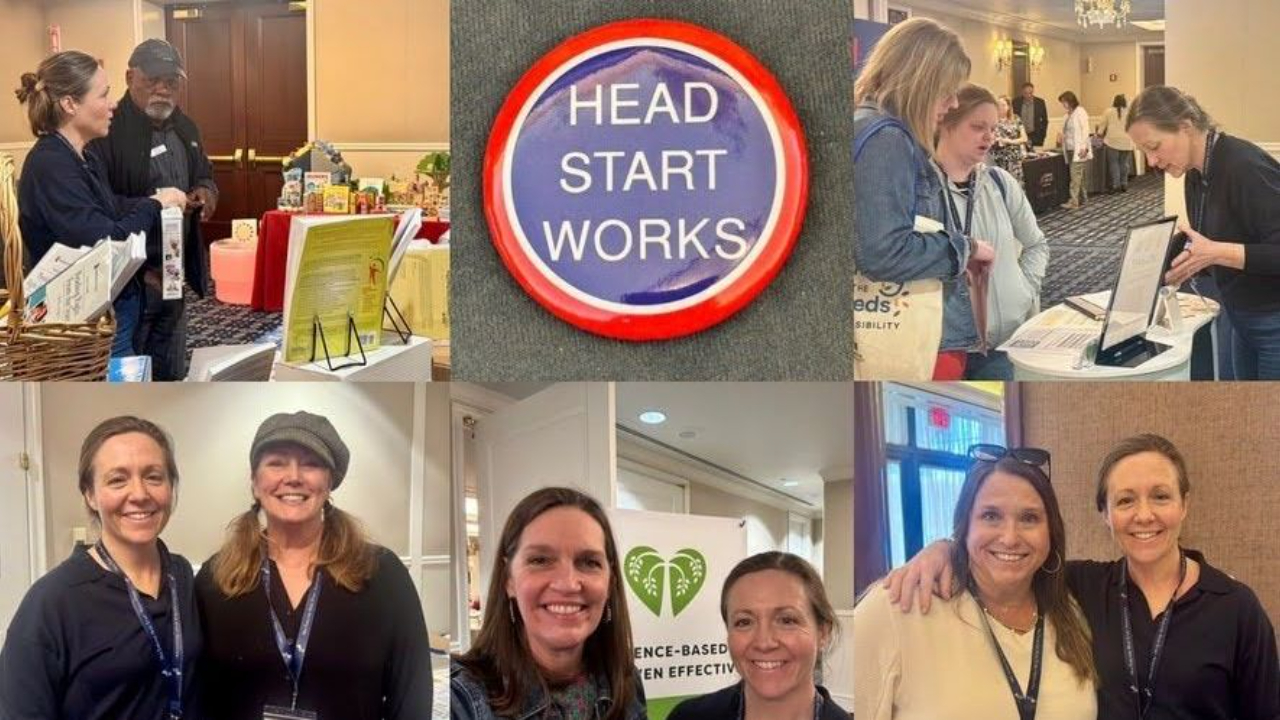
In late March, Kind Mind joined early childhood leaders from across the region as an exhibitor at the New England Head Start Annual Conference. In early April, Kind Mind founder Lee Sowles also presented to early childhood center directors at Maine’s Transforming Challenging Behaviors in Early Childhood Classrooms event.
Across both gatherings, we had the opportunity to connect with Head Start directors, educators, and early learning leaders who are doing deeply meaningful work for young children and families every day.
We left those conversations with gratitude, respect, and even greater clarity about why Kind Mind is such a strong fit for Head Start and early learning programs.
Head Start has a long history of supporting the whole child and family. Its work extends beyond classroom learning to include health, nutrition, family engagement, mental health, school readiness, and social-emotional development. That comprehensive approach matters because young children do not learn in pieces. Their emotions, relationships, routines, environments, and sense of safety all shape their ability to participate, connect, and grow.
Here are five takeaways we’re carrying forward.
1. Head Start teams are holding a lot.
Directors and educators are balancing children’s developmental needs, family stressors, staffing demands, classroom quality, and school readiness goals. The work is meaningful, but it is also emotionally demanding.
Kind Mind’s approach begins by recognizing that educator well-being and child well-being are deeply connected. When adults have tools to stay grounded and respond with confidence, children benefit.
2. Regulation is not extra. It is foundational.
For young children, learning begins with safety and connection. Children need support to manage big emotions, move through transitions, participate in routines, and build relationships.
Co-regulation is one of the ways adults help children develop those skills. It is not about forcing children to “calm down.” It is about helping them feel safe enough to reconnect, reset, and re-engage.
3. The best tools fit into the day educators already have.
Head Start and early learning classrooms are full. Full of needs. Full of movement. Full of moments that can shift quickly.
That is why Kind Mind focuses on simple, practical strategies educators can use during real classroom moments: arrival, transitions, circle time, mealtimes, rest time, and pickup.
The goal is not to add another burden. The goal is to make the day feel more manageable.
4. Calm is modeled before it is taught.
Young children learn regulation through repeated experiences with adults who can offer steadiness, warmth, and structure. That does not mean educators have to be perfectly calm all the time. It means they need support, practice, and shared tools they can return to when the day gets hard.
Kind Mind helps teachers build that confidence through evidence-based, trauma-informed practices that support both the adult and the child.
5. Program-wide support creates stronger classrooms.
One teacher using a helpful strategy can make a difference. A whole program using shared language, routines, and co-regulation practices can create a larger culture shift.
That is especially important for Head Start programs, where consistency, family partnership, staff support, and child development all intersect.
As Head Start marks 60 years of impact, its mission remains as vital as ever. The children, families, and educators at the heart of this work deserve practical, compassionate support that meets them in the real moments of the day.
That is where Kind Mind can help: with tools that support calmer classrooms, stronger connections, and more confident educators.
Interested in bringing Kind Mind to your Head Start program or early learning center? We’d be glad to show you how it works. Learn more or schedule a demo: kindmindeducation.com/request
Author